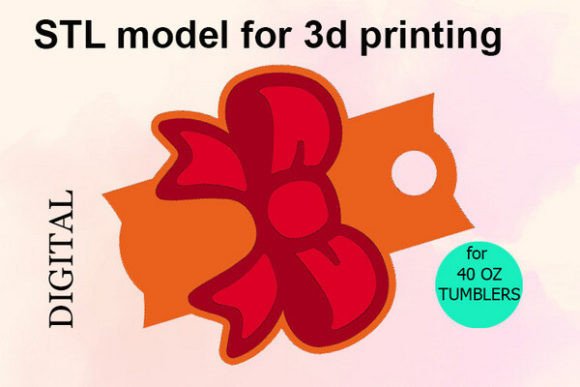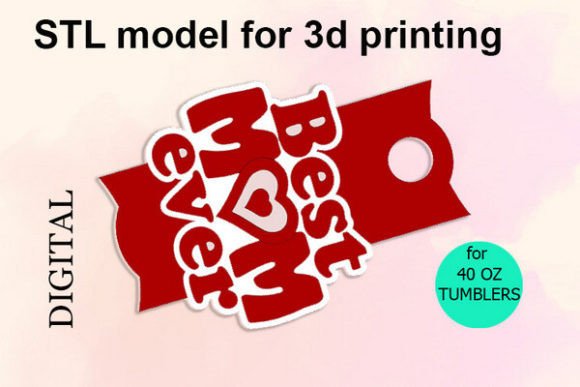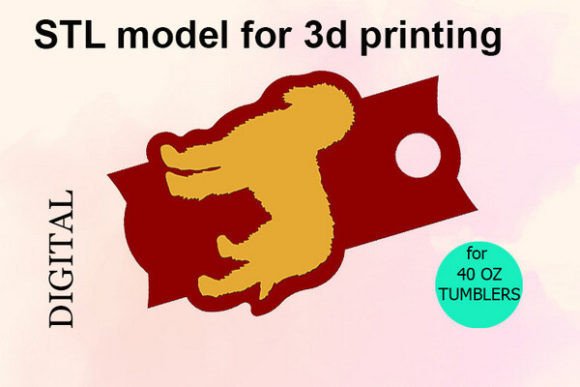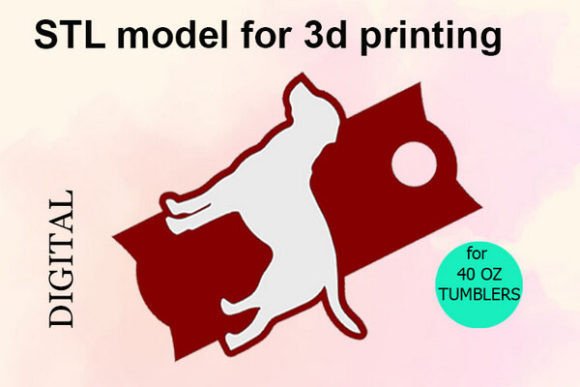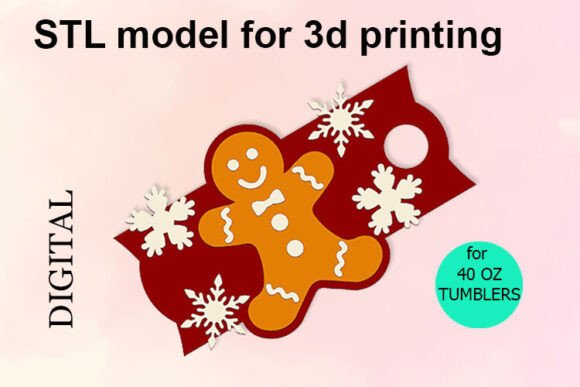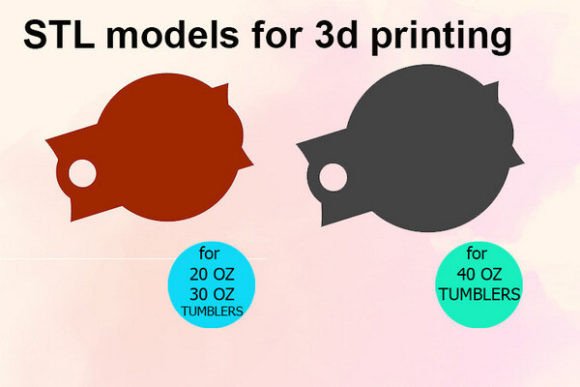
Elevating Personalization: The Strategic Value of 3D Printed Plates Cup Top for a 20-30-40 OZ Tumbler
In the rapidly evolving landscape of consumer goods and personalized merchandise, the intersection of digital fabrication and everyday utility has created new opportunities for creators and entrepreneurs. One such innovation gaining traction is the Plates Cup Top for a 20-30-40 OZ Tumbler. This accessory is not merely a functional lid; it represents a shift toward hyper-customization, thematic consistency, and sustainable production methods. As professionals, marketers, and DIY enthusiasts seek ways to differentiate their brands or personal projects, understanding the utility and market potential of these digital STL files becomes essential.
The Rise of Modular Customization in Consumer Accessories
The modern consumer is no longer satisfied with off-the-shelf solutions that lack personality or specific functionality. There is a growing demand for products that reflect individual style, corporate branding, or event-specific themes. The Plates Cup Top for a 20-30-40 OZ Tumbler addresses this need by offering a modular approach to hydration accessories. These digital STL files are ready to print on your 3D printer, allowing users to produce high-quality, custom-fit toppers that align perfectly with standard tumbler sizes.
This trend mirrors broader developments in the manufacturing sector, where mass customization is replacing mass production. By leveraging additive manufacturing, individuals and small businesses can create niche products without the overhead of traditional injection molding. The ability to download, modify, and print these designs empowers users to take control of their supply chain, reducing waste and increasing relevance.
Bridging Digital Design and Physical Utility
For designers and engineers, the appeal of these files lies in their adaptability. While the base geometry is optimized for 20, 30, and 40-ounce tumblers, the top surface serves as a canvas for creativity. You can create the designs on tops yourself in a program convenient for you, for example, Fusion 360. This flexibility allows for the integration of logos, intricate patterns, or functional elements like straw guides or snack holders.
The workflow is straightforward yet powerful. Upon purchase, you will receive an instant download file of this design, once payment is made. Files are sent zipped, ensuring data integrity and ease of access. This digital product includes ONE Zip file with TWO STL FILES, providing redundancy and compatibility across different slicing software. This immediacy supports rapid prototyping and just-in-time production, crucial for meeting tight deadlines in event planning or marketing campaigns.
Thematic Consistency and Event Branding
Such small but essential accessories will create the style of the event, and support the thematic bias. Consider a corporate conference, a wedding, or a themed party. Standard tumblers are ubiquitous, but they often clash with the aesthetic vision of the organizer. By incorporating custom-printed toppers, hosts can unify the visual language of their event. A minimalist geometric pattern might suit a tech summit, while ornate floral designs could enhance a garden party.
From a marketing perspective, this level of detail signals professionalism and attention to brand identity. When attendees use branded tumblers with custom toppers, they become walking advertisements. The tactile experience of using a well-designed accessory reinforces brand recall. Furthermore, the sustainability angle resonates with eco-conscious consumers who prefer reusable items over single-use plastics.
Practical Applications for Entrepreneurs and Creators
For freelancers and small business owners, offering customized tumbler toppers can be a lucrative niche. The barrier to entry is low, requiring only a 3D printer and basic design skills. However, the perceived value is high, especially when marketed as a premium, personalized service. You can also order a print of these STL files from the print service if you lack the hardware, enabling a dropshipping or fulfillment model without inventory risk.
Here are several ways professionals are leveraging this technology:
- Corporate Gifting: Companies can distribute branded tumblers with custom toppers featuring company logos or motivational quotes, enhancing employee engagement.
- Event Merchandising: Wedding planners and event coordinators can offer matching tumbler sets as favors, with toppers that match the invitation suite design.
- Etsy and Online Marketplaces: Creators can sell both the digital files and physical prints, catering to both DIY enthusiasts and end-users who prefer ready-made products.
- Educational Workshops: Design schools and maker spaces can use these files to teach CAD modeling and 3D printing principles, allowing students to modify the base design for learning purposes.
Technical Considerations and User Experience
While the creative possibilities are vast, technical precision remains paramount. These Toppers are designed for 20-30-40 OZ Tumblers, meaning the tolerances are calibrated to fit snugly without leaking. When printing, users should consider material choice. PLA is suitable for decorative purposes, while PETG or ASA offers better heat resistance and durability for daily use. Understanding these material properties ensures the final product meets user expectations for longevity and safety.
The inclusion of two STL files in the zip package provides versatility. One file may be optimized for speed printing with fewer supports, while the other might prioritize surface finish and detail. This dual-file approach demonstrates a thoughtful design process that anticipates varying user capabilities and printer configurations. Happy Printing is not just a sign-off; it is an encouragement to experiment and refine the craft.
The Broader Impact on Digital Ownership
The distribution of these designs highlights a shift in how we value digital assets. Unlike physical goods, digital files can be replicated infinitely without degradation. This scalability allows designers to reach a global audience instantly. For the buyer, the instant download model eliminates shipping delays and environmental costs associated with logistics. It represents a more efficient, direct-to-consumer economy where value is transferred through knowledge and design rather than just physical materials.
Moreover, the ability to modify the files fosters a culture of collaboration and improvement. Users who tweak the design in Fusion 360 or similar software can share their variations, contributing to a communal library of innovations. This open-ended nature encourages continuous learning and skill development among users, transforming passive consumers into active creators.
Future-Proofing Your Creative Workflow
As 3D printing technology becomes more accessible, the demand for high-quality, ready-to-print models will continue to grow. Investing in versatile designs like the Plates Cup Top for a 20-30-40 OZ Tumbler positions creators at the forefront of this movement. It is not just about selling a product; it is about providing a solution that integrates seamlessly into modern lifestyles and workflows.
For marketers, the narrative around these products should focus on empowerment and customization. Highlighting the ease of use, the professional finish, and the thematic versatility can attract a diverse clientele. Emphasize that these are not just plastic lids, but tools for expression and branding. By connecting the product to larger trends in sustainability, personalization, and digital fabrication, you create a compelling value proposition that resonates with today’s informed consumers.
In conclusion, the Plates Cup Top for a 20-30-40 OZ Tumbler exemplifies the convergence of design, technology, and practicality. Whether you are a designer looking to expand your portfolio, an entrepreneur seeking new revenue streams, or an enthusiast wanting to add a personal touch to your daily routine, these digital files offer a gateway to infinite possibilities. By embracing this technology, you participate in a broader shift toward decentralized, customizable, and sustainable manufacturing. The future of consumer accessories is not just about what you buy, but what you create.