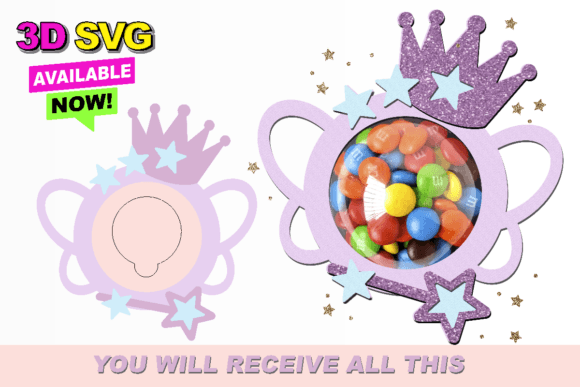
Crafting Enchantment: The Ultimate Guide to the Fairy Candy Holder 3D SVG
In the evolving landscape of digital crafting, the intersection of whimsy and technical precision creates some of the most engaging projects for makers today. Among these, the Fairy Candy Holder stands out as a delightful fusion of aesthetic charm and functional design. This project is not merely about cutting paper or vinyl; it is about bringing a touch of magic into physical spaces through digital creation. By leveraging high-quality vector graphics, crafters can produce intricate, three-dimensional structures that serve both as decorative pieces and practical containers for treats.
The appeal of such a project lies in its accessibility and versatility. Whether you are a seasoned professional running a small business or a hobbyist looking to add a personal touch to a birthday party, the underlying technology remains the same. Immerse yourself in digital creation with this easily manageable 3D SVG file, accessible in a conveniently zipped folder. Designed to effortlessly integrate with your Silhouette Studio and Cricut Design Space software, this graphic offers a seamless cutting experience. For users of different machines, make sure to verify the compatibility of this SVG format with your utilized software for an impeccable design encounter.
Understanding the Digital Architecture of 3D Paper Crafts
To truly appreciate the value of a well-designed Fairy Candy Holder, one must understand the digital architecture that makes it possible. Unlike simple two-dimensional decals, 3D paper crafts require precise scoring lines, tab placements, and interlocking mechanisms. These elements are encoded within the SVG (Scalable Vector Graphics) file. When you download the zipped folder, you are not just getting an image; you are receiving a blueprint for construction.
The SVG format is industry-standard because it maintains clarity at any size. This scalability is crucial for crafters who may want to create miniature holders for wedding favors or larger versions for centerpiece displays. The file structure typically separates cut lines from score lines using different colors or layer names. This distinction is vital for machines like the Cricut or Silhouette, which need to know when to slice through the material and when to merely indent it for folding. A poorly constructed file can lead to frustration, with tabs that do not align or scores that tear the paper. Therefore, the quality of the initial digital asset directly correlates to the success of the physical outcome.
Material Selection and Structural Integrity
While the digital file provides the map, the material serves as the terrain. The choice of substrate is critical when building a Fairy Candy Holder. Standard printer paper, while inexpensive, often lacks the rigidity required to hold the weight of candies without bulging or collapsing. Conversely, heavy cardstock, typically ranging from 65lb to 110lb weight, provides the necessary structural integrity.
- Cardstock: Ideal for most projects, offering a balance of flexibility for folding and stiffness for holding shape.
- Vellum: Can be used for overlay effects to create a mystical, translucent fairy wing appearance, though it requires careful handling during assembly.
- Glitter Paper: Adds immediate visual impact but can be abrasive on cutting blades and may require slower cutting speeds.
- Recycled Kraft Paper: Offers an earthy, rustic aesthetic that pairs well with woodland fairy themes.
When selecting materials, consider the environment where the holder will be displayed. Humidity can warp lighter papers, while direct sunlight might fade certain dyes. Testing a single unit before committing to a large batch is a prudent strategy that saves both time and resources.
Workflow Optimization for Cutting Machines
Efficiency in digital crafting comes from mastering the workflow between your computer and your cutting machine. Once you have extracted the files from the zipped folder, the next step is importing them into your preferred software. Users of Silhouette Studio will appreciate the ability to adjust line types directly within the program, assigning "Cut" to outer edges and "Score" to fold lines. Similarly, Cricut Design Space allows for layer manipulation, ensuring that complex designs do not overwhelm the machine’s memory or processing power.
A common mistake among beginners is ignoring the mirror setting when using adhesive-backed materials, though for a Fairy Candy Holder, this is rarely necessary unless you are adding vinyl decals after assembly. More importantly, pay attention to the pressure settings. Intricate details, such as the delicate wings or floral accents often found in fairy-themed designs, require a fine-point blade and moderate pressure. Too much force can tear the paper; too little may result in incomplete cuts that require manual trimming, defeating the purpose of using a digital cutter.
Assembly Techniques for Professional Results
The transition from flat sheets to a three-dimensional object is where the magic happens. Assembly requires patience and the right adhesives. Liquid glue provides a strong bond but takes time to dry, which can be cumbersome when holding multiple tabs in place. Double-sided tape runners offer instant adhesion and are cleaner to use, making them a favorite among high-volume creators. For a truly seamless look, consider using glue dots on smaller tabs where precision is key.
Start by pre-folding all score lines using a bone folder or a blunt tool. This step ensures crisp edges and prevents the paper from cracking along the fold. Assemble the base first, ensuring it is square and stable. Then, attach the side panels, working your way around the structure. Finally, add the decorative elements, such as the fairy wings or lid mechanisms. Taking the time to align these components correctly elevates the final product from a homemade craft to a professional-grade item.
Diverse Applications and Market Relevance
The utility of a Fairy Candy Holder extends far beyond simple storage. Its thematic design makes it a versatile asset for various events and commercial ventures. For event planners, these holders serve as enchanting party favors for children’s birthdays, baby showers, or fantasy-themed weddings. They provide a memorable takeaway for guests that is both useful and visually appealing.
For educators, assembling these holders can be a valuable lesson in geometry and spatial reasoning. Students learn about nets, angles, and structural stability while engaging in a creative activity. This hands-on approach to learning reinforces mathematical concepts in a tangible way. Furthermore, the artistic aspect encourages creativity, allowing students to customize their holders with colors and embellishments that reflect their personal style.
From a business perspective, handmade fairy-themed items have a strong market presence on platforms like Etsy and at local craft fairs. The niche appeal of fantasy and cottagecore aesthetics means that well-executed designs can command premium prices. By offering customization options, such as personalized names or specific color schemes, creators can differentiate their products in a crowded marketplace. The low cost of materials combined with the high perceived value of handcrafted items makes this a profitable venture for small business owners.
Troubleshooting Common Challenges
Even with the best files and materials, challenges can arise. One frequent issue is misalignment during assembly. This often stems from inaccurate scoring or inconsistent folding. To mitigate this, always test cut a single unit on scrap paper before using your final material. Another common problem is blade drag, where the cutting tool pulls the paper slightly, causing dimensions to shift. Using a sticky cutting mat and ensuring the paper is firmly adhered can prevent this movement.
If the intricate details of the fairy design are not cutting cleanly, consider reducing the cutting speed. Slower speeds allow the blade to navigate tight corners more accurately. Additionally, regularly cleaning your blade and replacing it when dull ensures consistent performance. Remember, the goal is a clean cut that requires minimal post-processing, preserving the delicate nature of the design.
Embracing the Creative Process
Ultimately, the creation of a Fairy Candy Holder is about more than just following instructions. It is an exercise in patience, precision, and artistic expression. Each step, from selecting the digital file to the final application of glue, contributes to the overall quality of the piece. By understanding the technical aspects of SVG files and the physical properties of paper, crafters can push the boundaries of what is possible with their cutting machines.
As you continue to explore digital crafting, let each project be an opportunity to refine your skills. Experiment with different materials, adjust design elements, and share your creations with the community. The journey from a zipped folder to a tangible, enchanting object is a rewarding one, filled with learning and creativity. Whether for personal enjoyment or commercial success, the Fairy Candy Holder represents the perfect blend of digital innovation and traditional craftsmanship.