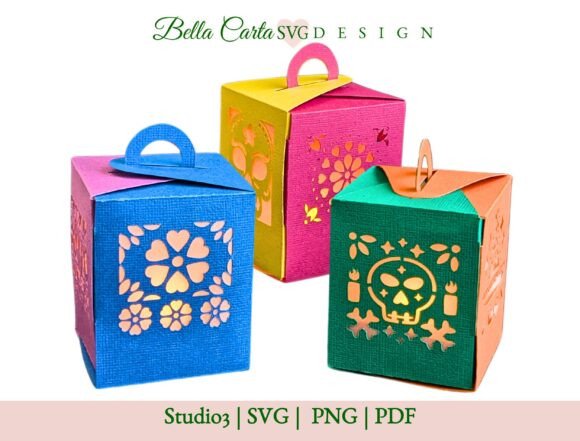
Day of the Dead Lanterns: Crafting Elegant Decor
There is a distinct magic in the way light interacts with paper. When you combine the intricate artistry of Day of the Dead Lanterns with the warm, flickering glow of a tealight, you create more than just a decoration; you craft an atmosphere. These lanterns are not merely seasonal items to be tucked away after November 2nd. They represent a fusion of cultural reverence and modern DIY aesthetics, offering a tangible way to celebrate life, memory, and beauty. For designers, crafters, and small business owners, understanding the visual language of these pieces opens up a world of creative possibility that extends far beyond simple holiday decor.
The appeal of Day of the Dead Lanterns lies in their delicate balance between complexity and accessibility. At first glance, the sugar skull motifs and traditional Papel Picado patterns might seem daunting to replicate by hand. However, when approached through the lens of digital fabrication—specifically using Cricut SVG templates—the process becomes an exercise in precision and creativity. The finished product, measuring a compact 2.5 inches wide, 3.5 inches tall, and 2.5 inches deep, serves as a perfect vessel for light. This specific scale is crucial. It is large enough to make a visual impact on a mantle or dinner table yet small enough to be grouped into larger installations without overwhelming the space.
The Visual Language of Memorial Craft
To truly appreciate the design potential here, we must look at the components that make these lanterns effective. The sugar skull, or calavera, is perhaps the most recognizable symbol of Dia de los Muertos. In the context of these lanterns, the skull is not meant to be macabre. Instead, it is adorned with floral elements, geometric patterns, and swirling lines that celebrate the vibrancy of life. When cut from cardstock or vellum, these negative spaces become windows for light, creating dynamic shadows that shift as the flame inside moves.
Complementing the skulls is the influence of Papel Picado, the traditional Mexican folk art of cutting elaborate designs into tissue paper. In a laser-cut or blade-cut project, this translates to intricate latticework that wraps around the lantern’s structure. This interplay of solid and void is a fundamental principle of modern typography and graphic design. Just as a well-chosen display font relies on the contrast between thick and thin strokes to create interest, these lanterns rely on the contrast between the paper material and the empty space. For a brand strategist or designer, this is a powerful reminder: what you leave out is often as important as what you put in.
The style of these decorations leans heavily into the ornate and the symbolic. They possess a personality that is both festive and solemn, respectful yet celebratory. This duality makes them versatile. They are not limited to Halloween, although they fit seamlessly into that season’s aesthetic. They are equally appropriate for autumn harvest themes, cultural education events, or as year-round home decor for those who appreciate Mexican folk art. The use of a premium font style in the accompanying digital files ensures that any text elements included in the design maintain a high level of professionalism and legibility, even at small scales.
Strategic Applications for Creatives and Brands
For entrepreneurs and content creators, Day of the Dead Lanterns offer more than just a weekend craft project. They represent a viable product line or a compelling content pillar. Consider the implications for packaging design. A boutique selling artisanal candles or specialty teas could use these lantern structures as limited-edition packaging. The perceived value of a hand-assembled, intricately cut paper lantern is significantly higher than a standard box. It transforms a commodity into an experience.
In the realm of social media graphics and digital marketing, the visual assets generated from these projects are highly shareable. The process of assembling the lanterns, the play of light in a dimmed room, and the final styled shots provide rich material for blogs, Instagram reels, and Pinterest boards. This type of content resonates because it is authentic and tactile. In an increasingly digital world, audiences crave connections to physical craftsmanship. By showcasing the creation of these lanterns, you build brand identity rooted in creativity, attention to detail, and cultural appreciation.
Furthermore, these designs serve as excellent examples for teaching font pairing and layout principles. If you are customizing the SVG files to include names for a memorial centerpiece or quotes for a party favor, the choice of typeface is critical. A script font might add a personal, handwritten touch, evoking intimacy and memory. Conversely, a clean sans serif font can provide a modern, minimalist counterpoint to the ornate sugar skull details. Understanding how these typefaces interact with the decorative elements is key to maintaining visual hierarchy. The decoration should enhance the message, not compete with it.
Practical Guidance for Execution and Licensing
When embarking on a project involving Day of the Dead Lanterns, whether for personal enjoyment or commercial sale, several practical considerations ensure success. First, evaluate the material. While cardstock is standard for durability, experimenting with translucent papers or vellum can dramatically change the lighting effect. Thinner materials allow more light to pass through, softening the shadows, while heavier stocks create sharper, more defined silhouettes. This is akin to choosing between a bold serif font and a light weight variant; the substance changes the perception.
Second, consider the assembly. The finished size of 2.5 x 3.5 x 2.5 inches requires precision. Ensure your cutting machine is calibrated correctly. Dull blades can tear intricate Papel Picado details, ruining the delicate aesthetic. Test cuts on scrap material are essential. This step mirrors the proofing process in editorial design; you must check for errors before committing to the final print run.
Licensing is another critical area for professionals. If you plan to sell these lanterns or use the designs in client work, verify that the SVG template is licensed for commercial use. Many creative font and design asset providers offer different tiers of licensing. Using a commercial font or design file without proper clearance can lead to legal issues. Always read the terms of service. Look for assets that explicitly state they are suitable for physical end products sold by the creator. This due diligence protects your business and respects the original designer’s intellectual property.
Finally, think about scalability. While the individual lantern is small, its impact multiplies when used in groups. For event planners, creating a centerpiece of twenty or thirty lanterns can transform a venue. For retailers, displaying them in clusters creates a visually compelling shelf presence. The consistency of the design across multiple units reinforces brand recognition and professionalism. Whether you are a hobbyist looking to add a festive touch to your home or a designer seeking to expand your portfolio with culturally rich, technically demanding projects, Day of the Dead Lanterns offer a rewarding blend of tradition and innovation. They remind us that design is not just about how things look, but how they make us feel when the lights go down.