Integrating the 4th of July Candy Holder into Your Seasonal Crafting Workflow
Seasonal crafting is rarely just about the final object; it is about the efficiency of the process that brings that object to life. For creators, small business owners, and hobbyists alike, the difference between a profitable holiday season and a stressful one often lies in asset selection and preparation. The 4th of July Candy Holder represents more than a festive decoration; it is a strategic component in a broader production workflow designed for Independence Day celebrations. By understanding how this specific digital asset fits into your creative pipeline, you can streamline your output, reduce material waste, and ensure consistent quality across every unit produced.
This article explores the practical implementation of the 4th of July Candy Holder, focusing on its role within digital fabrication workflows. We will examine how the included SVG files interact with popular cutting software, discuss compatibility considerations for various machines, and provide actionable tips for integrating this asset into both personal projects and commercial ventures.
Understanding the Asset and Its Role in Production
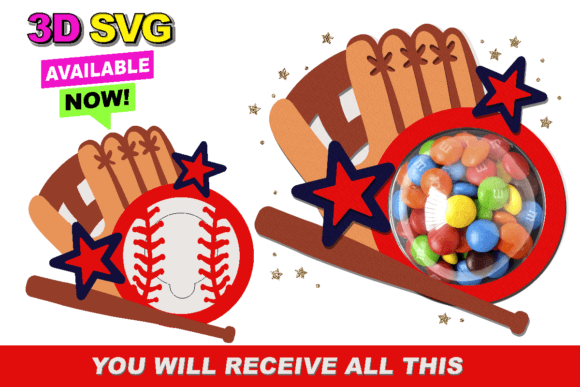
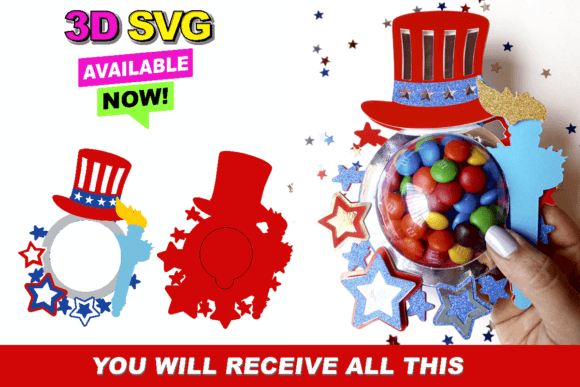
At its core, the 4th of July Candy Holder is a three-dimensional structure designed to hold treats, typically featuring patriotic motifs such as stars, stripes, or red, white, and blue color schemes. However, from a workflow perspective, it is a digital template that requires precise execution. The download includes an SVG (Scalable Vector Graphics) file contained within a zipped folder. This format is critical because it ensures that the design remains crisp and scalable regardless of the final dimensions you choose.
In a professional or semi-professional context, this asset serves as a bridge between digital design and physical creation. It eliminates the need for manual drafting, which is time-consuming and prone to error. Instead, it allows you to focus on material selection, assembly techniques, and finishing touches. Whether you are preparing for a community event, creating party favors for a family gathering, or producing inventory for an online store, the reliability of the source file dictates the success of the final product.
Software Compatibility and Preparation
The utility of any digital cut file depends heavily on the software ecosystem you use. The 4th of July Candy Holder is optimized for ease of use in two primary platforms: Silhouette Studio and Cricut Design Space. These programs are industry standards for hobbyists and small businesses, offering robust tools for manipulating SVG data.
Workflow in Silhouette Studio
If you are using Silhouette Studio, the process begins with importing the SVG from the unzipped folder. Because the file is vector-based, you can easily adjust the size without losing resolution. A key advantage here is the ability to modify individual nodes if you wish to customize the holder’s depth or width to accommodate different types of candy. Ensure that your cut settings are calibrated to your specific material—whether cardstock, vinyl, or acetate—to prevent tearing during the weeding process.
Workflow in Cricut Design Space
For Cricut users, the integration is similarly straightforward. Upload the SVG file directly into Design Space. The software should recognize the layers automatically, separating cut lines from score lines if they are designated in the file. This distinction is vital for 3D objects like candy holders, where precise folding is necessary for structural integrity. Always perform a "Attach" operation on components that need to stay together during cutting to maintain alignment.
Considerations for Other Machines
If you are using a different type of cutting machine, such as those from Brother, ScanNCut, or industrial laser cutters, you must ensure your equipment supports SVG imports. While many modern machines do, older models may require conversion to DXF or another compatible format. Before committing to a large batch, test the file on a single sheet of scrap material. This step is crucial for quality control, as it allows you to verify that the machine interprets the vector paths correctly and that the cut depth is appropriate for your chosen substrate.
Strategic Implementation in Your Creative Process
Integrating the 4th of July Candy Holder into your workflow involves more than just hitting "cut." It requires planning around material availability, assembly time, and end-use requirements. Here is how you can position this asset effectively within your project timeline.
Pre-Production Planning
Before opening your design software, assess your goals. Are these holders for immediate use, or are you building inventory? If you are producing for sale, consistency is paramount. Use the SVG’s scalability to create a standard size that fits common candy packages, reducing the need for custom adjustments later. Organize your digital assets by creating a dedicated folder for holiday projects, ensuring the zipped file is backed up and easily accessible for future years.
Material Selection and Efficiency
The choice of material significantly impacts the look and durability of the candy holder. Heavyweight cardstock provides rigidity and a premium feel, ideal for gifts or retail products. Lighter paper may be suitable for large-scale events where cost is a concern. When laying out the SVG on your virtual mat, utilize nesting features to minimize waste. Efficient material usage not only reduces costs but also aligns with sustainable crafting practices, a growing concern for conscious consumers.
Assembly and Quality Control
Once cut, the assembly phase begins. The 3D nature of the holder means that precision in folding and adhesion is critical. Use bone folders for crisp creases and high-quality adhesive dots or glue guns for secure bonds. Implement a quality control check at this stage: inspect each holder for clean edges, proper alignment, and structural stability. Discard any units with jagged cuts or weak joints to maintain professional standards.
Enhancing Value Through Customization
While the base SVG provides a solid foundation, adding personalized elements can increase the perceived value of the final product. Consider incorporating additional layers, such as monograms, dates, or specific event names, using compatible fonts in your design software. You can also experiment with mixed media, combining paper elements with ribbon, twine, or metallic accents to create a unique aesthetic.
For educators and workshop leaders, this project offers an excellent opportunity to teach vector graphics basics and spatial reasoning. Students can learn how 2D designs translate into 3D objects, gaining hands-on experience with digital fabrication tools. By guiding them through the process of importing, resizing, and assembling the 4th of July Candy Holder, you provide practical skills that extend beyond simple crafting.
Long-Term Utility and Asset Management
A well-chosen digital asset like this SVG is not a one-time use item. Save your customized versions and notes on material settings for future reference. Over time, you will build a library of tested configurations that speed up production for subsequent holidays. This approach transforms a single purchase into a long-term resource, enhancing your overall operational efficiency.
Furthermore, consider how this item fits into broader marketing or engagement strategies. For bloggers and content creators, documenting the creation process can generate engaging social media content. Show behind-the-scenes glimpses of the cutting process, assembly tips, and final styling ideas. This transparency builds trust with your audience and showcases your expertise in digital crafting.
Final Thoughts on Integration
The 4th of July Candy Holder is a versatile tool that, when used correctly, enhances both the creative and logistical aspects of holiday preparation. By focusing on software compatibility, material efficiency, and rigorous quality control, you can integrate this asset seamlessly into your workflow. Whether you are a seasoned entrepreneur or a weekend hobbyist, the key lies in treating the digital file as part of a larger system—one that values precision, planning, and practical execution. With the right approach, this simple SVG can become a cornerstone of your seasonal crafting success, delivering consistent results and satisfying outcomes year after year.