Small Rose: A Refined Paper Craft Template for Elegant Decor
In the realm of paper crafting, there is a distinct difference between projects that serve as quick distractions and those that offer lasting aesthetic value. The Small Rose template from Maison Gregoria falls firmly into the latter category. It is not merely a digital file; it is a carefully engineered design intended to translate the organic complexity of a blooming flower into precise, cuttable geometry. For creators who value subtlety over spectacle, this template offers a pathway to producing decor that feels both handmade and professionally refined.
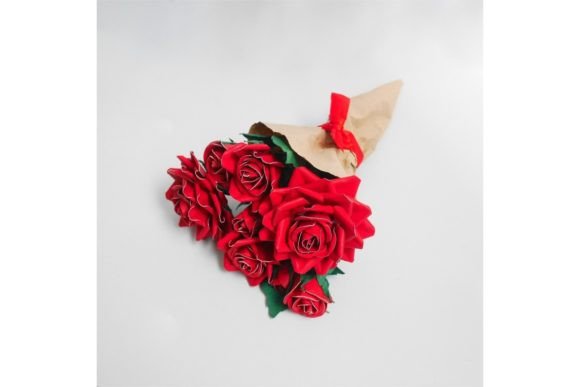
The appeal of the Small Rose lies in its restraint. Unlike larger, more aggressive floral designs that dominate a space, this project captures the charm of small roses with exquisite detail, making it ideal for adding a subtle touch of elegance to any room. Whether you are a seasoned crafter looking to expand your portfolio or a beginner seeking a manageable yet impressive project, understanding the nuances of this design can help you determine if it fits your creative workflow.
Precision Engineering in Digital Design
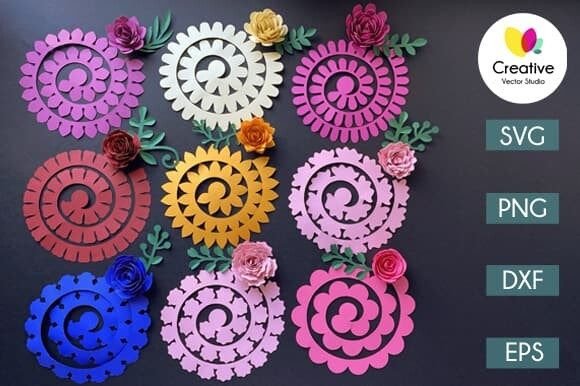
When evaluating a digital cutting file, the primary metric of quality is often how well it translates from screen to physical material. The Small Rose template is provided in SVG format, ensuring compatibility with Cricut Design Space and other major cutting software platforms. This universality is crucial for professionals and hobbyists alike, as it removes the friction of file conversion and allows for immediate integration into existing project libraries.
The intricacy of the design is where its true value becomes apparent. Creating a realistic rose from paper requires more than just a spiral cut; it demands layered petals with varying curvatures and sizes. Maison Gregoria has structured this template to account for these structural necessities. The pieces are designed to interlock and layer naturally, reducing the guesswork typically associated with freehand paper florals. This level of foresight in the design phase saves significant time during assembly, allowing the creator to focus on technique rather than troubleshooting fit issues.
Material Selection and Structural Integrity
A common oversight in paper crafting is underestimating the importance of substrate weight. For a three-dimensional object like the Small Rose, the cardstock must hold its shape without collapsing under its own weight or becoming too rigid to curl. The recommended material for this project is Encore Cardstock 80 lb cover (216 gsm). This specific weight strikes an optimal balance between flexibility and durability.
Lighter papers may fail to maintain the rose’s form, resulting in a flat, lifeless appearance. Conversely, heavier board stocks can be difficult to curl and may crack along the score lines. The 80 lb cover weight provides enough body to support the layered petal structure while remaining pliable enough for detailed shaping. For those sourcing materials, consistency is key. Using high-quality, acid-free cardstock ensures that your finished piece will resist yellowing and degradation over time, preserving its elegance for years.
If you are in need of reliable supplies, you can explore options at the 12×12 Cardstock Shop. Please note that this is a paid link at no extra cost to you, supporting the resources available to creators.
The Assembly Process: Patience and Precision
While the cutting process is straightforward, the assembly of the Small Rose requires a steady hand and attention to detail. The project includes access to a video tutorial and written instructions, which are invaluable for understanding the sequence of layering. Without guidance, even the best-designed template can result in a misshapen final product.
The construction generally follows a logical progression: starting with the tight central bud and gradually adding outer petals. Each layer must be adhered with precision to maintain symmetry. High-quality adhesive is essential here; liquid glue allows for repositioning before setting, whereas tape runners may add unwanted bulk between layers. The video tutorial demonstrates techniques for curling the petal edges to mimic natural growth patterns, a step that transforms flat paper into a dynamic, organic form.
For educators or workshop leaders, this project serves as an excellent teaching tool. It introduces fundamental concepts of 3D paper construction, layering, and adhesive application without requiring advanced tools beyond a cutting machine and basic hand tools. The clear instructions reduce the learning curve, making it accessible for students or clients who may be new to paper crafts.
Versatility in Application and Decor
One of the strongest attributes of the Small Rose is its versatility. Its compact size makes it adaptable to a wide range of applications. For interior designers or home decorators, these roses can be grouped to create textured wall art, used as accents on wreaths, or incorporated into table centerpieces. Their delicate nature allows them to complement both modern minimalist aesthetics and traditional vintage styles.
For entrepreneurs and small business owners, the Small Rose offers a scalable product opportunity. Because the template is digital, once mastered, production can be streamlined. These flowers can be sold as standalone decorative pieces, attached to greeting cards, or used as embellishments for gift packaging. The perceived value of a handmade paper flower is high, especially when executed with the precision that this template allows. It radiates simplicity and grace, qualities that resonate with consumers seeking authentic, heartfelt gifts.
Freelancers and bloggers can also leverage this project for content creation. The visual appeal of the Small Rose lends itself well to photography, providing engaging imagery for social media or blog posts about DIY decor, sustainable crafting, or mindful hobbies. The process of creating something beautiful by hand can also serve as a narrative device for discussing mental wellness and the benefits of disconnecting from digital screens.
Who Benefits Most from This Template?
The Small Rose is particularly well-suited for individuals who appreciate detail-oriented work and have a moderate level of patience. It is not a "five-minute craft," but rather a project that rewards time invested. Professionals in the creative industries will find it a reliable asset for client projects where custom, high-end touches are required. Hobbyists will appreciate the satisfaction of mastering a technique that yields consistent, beautiful results.
However, it is important to acknowledge potential limitations. Those seeking instant gratification or extremely large-scale installations may find the small size and intricate assembly process challenging. Additionally, success depends heavily on the quality of the cutting machine and the user’s ability to follow detailed instructions. Beginners should allocate sufficient time for their first attempt, using scrap paper to test settings before committing to premium cardstock.
Long-Term Value and Creative Growth
Investing in a well-designed template like the Small Rose offers long-term value beyond a single project. Once the technique is mastered, the skills acquired—such as precise curling, layering, and adhesive management—are transferable to other paper craft endeavors. The SVG file remains in your library indefinitely, allowing for unlimited reproductions in various colors and sizes. This reusability enhances the return on investment, making it a practical addition to any digital crafting toolkit.
Furthermore, the elegance of the design ensures that it does not quickly go out of style. Trends in decor may shift, but the classic beauty of a rose remains timeless. This longevity means that projects created with this template will continue to look relevant and sophisticated, whether displayed in a home or gifted to a loved one.
In conclusion, the Small Rose from Maison Gregoria represents a thoughtful intersection of digital precision and artistic expression. It is a tool that empowers creators to produce high-quality, elegant decor with confidence. By combining a well-engineered template with appropriate materials and careful assembly, you can achieve results that reflect both skill and taste. For those willing to engage with the process, the Small Rose offers a rewarding creative experience and a beautiful tangible outcome.