Unlocking Creative Potential: A Guide to the Clay Cutter STL Layered Combo for 3D Printing
In the rapidly evolving world of digital fabrication, the intersection of technology and traditional craftsmanship has opened up exciting new avenues for creators. One of the most accessible entry points into this hybrid creative space is the use of 3D-printed tools for working with polymer clay, fondant, and cookie dough. Specifically, the Clay Cutter STL File - Layered Combo represents a significant leap forward in versatility and precision for hobbyists and small business owners alike. This digital download bundle is not merely a collection of shapes; it is a comprehensive toolkit designed to streamline the production of jewelry, decorative accessories, and edible art.
Understanding the Digital-to-Physical Workflow
For those new to the concept, an STL file is a standard format used by 3D printers to understand the geometry of an object. When you purchase a "digital download" like this clay cutter bundle, you are not receiving a physical plastic tool in the mail. Instead, you gain immediate access to files that allow you to manufacture your own custom tools using a desktop 3D printer. This shift from buying physical goods to downloading digital assets empowers users to iterate designs, replace broken tools instantly, and customize sizes without waiting for shipping.
The significance of this specific Layered Combo pack lies in its thoughtful engineering. It addresses common pain points faced by crafters, such as inconsistent cutting depths, fragile cutter walls, and limited size options. By providing a range of appealing and versatile designs, this bundle ensures that whether you are making delicate earrings or sturdy cookies, the tool performs reliably.
The Versatility of Layered Design
The term "layered design" in this context refers to the multi-functional nature of the cutters. These tools are perfect for making earrings, pendants, barrettes, cookies, and fondant decorations. The ability to switch between materials without changing tools makes this bundle an economical choice for diverse creative projects. For instance, a jewelry maker can produce a batch of polymer clay earrings in the morning and switch to baking sugar cookies with the same set of cutters in the afternoon, provided proper hygiene practices are followed.
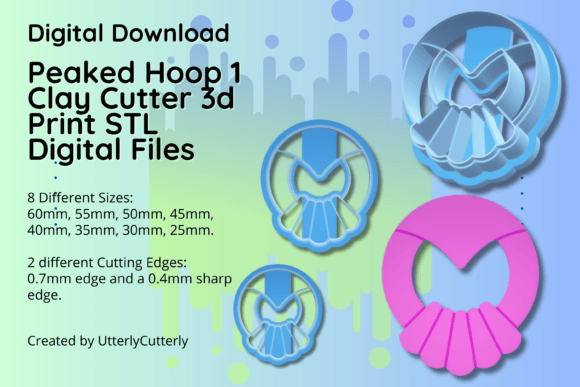
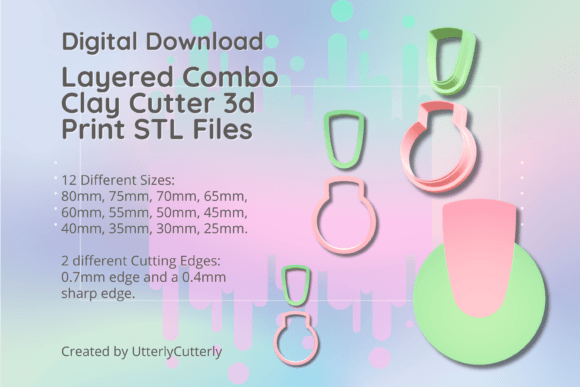
Moreover, the bundle includes 12 different sizes, ranging from a substantial 80mm down to a delicate 25mm. This gradient allows for incredible curation possibilities. You can create matching sets, such as a large pendant paired with smaller stud earrings, or tiered cookie decorations. The sizes included are:
- 80mm
- 75mm
- 70mm
- 65mm
- 60mm
- 55mm
- 50mm
- 45mm
- 40mm
- 35mm
- 30mm
- 25mm
This extensive range ensures that you can curate custom and unique cutter combos easily, especially when combined with other STL files available in the store. With new designs added every week, the potential for expanding your toolkit is virtually limitless.
Technical Specifications: Precision Meets Durability
One of the most critical aspects of any 3D-printed cutter is its geometry. Poorly designed cutters may have walls that are too thick, leaving bulky edges on your clay, or bases that are too thin, causing them to warp under pressure. This bundle offers two distinct cutter types, each engineered for specific needs:
- Standard Wall Cutter: Featuring a 0.7mm wall thickness, a 3mm thick base, and a height of 12mm. This type is robust and ideal for general-purpose cutting where durability is paramount.
- Sharp Edge (SE) Cutter: Abbreviated as "SE" in the files, this variant features a 1mm support wall with a refined cutting edge of just 0.4mm. It also has a 3mm thick base and a height of 12mm. The sharper edge is particularly beneficial for intricate designs or softer materials like fondant, where clean lines are essential.
It is important to note that cutter size is measured from the longest ends. This standardization helps users plan their material usage accurately. For example, if you are working with a sheet of polymer clay, knowing the exact footprint of the 80mm cutter allows you to maximize your material and minimize waste.
Embossing Capabilities and Material Thickness
Beyond simple cutting, many designs in this bundle include embossing lines. These details add texture and depth to your creations, transforming a flat shape into a visually interesting piece. The embossing lines are designed to be 10.5mm tall. To achieve the best results, it is recommended to work on clay that is thicker than 1.5mm. This ensures that the embossing pattern registers clearly without piercing through the material or distorting the shape.
For beginners, this might require some experimentation. Start with a slab of clay rolled to 2mm thickness and test the pressure needed. Over time, you will develop a feel for how much force is required to engage the embossing features while maintaining a clean cut.
Practical Applications in Modern Creativity
The rise of the "maker economy" has seen a surge in individuals turning their hobbies into small businesses. Tools like these STL files are foundational for such ventures. They lower the barrier to entry by reducing the cost of tooling. Instead of investing hundreds of dollars in metal cutters, a creator can invest in a single 3D printer and a library of digital files.
Earrings and Jewelry: Polymer clay jewelry is a booming market on platforms like Etsy. The lightweight nature of clay, combined with the intricate designs possible with these cutters, allows for unique, high-margin products. The 25mm to 40mm sizes are particularly popular for statement earrings.
Culinary Arts: In the kitchen, consistency is key. Professional bakers and home enthusiasts alike appreciate the uniformity that 3D-printed cutters provide. Whether creating themed cookies for holidays or intricate fondant toppers for cakes, the sharp edge variants ensure that delicate doughs do not tear.
Common Misunderstandings About Digital Downloads
A frequent point of confusion for newcomers is the nature of the product. This is not a physical item. You will have access to download the files immediately after purchase. To use them, you must have access to a 3D printer. If you do not own one, many local libraries, makerspaces, or online printing services can print these files for you. However, owning a printer offers the greatest flexibility and cost savings over time.
Another misconception is that all STL files are created equal. Many free files found online lack the structural integrity needed for repeated use. They may have weak bases or poorly optimized walls. This professional bundle is designed to be easily printed, meaning the files are pre-oriented and supported where necessary to ensure a high success rate on most consumer-grade FDM 3D printers.
Getting Started with Your New Tools
To make the most of your Clay Cutter STL File - Layered Combo, consider the following tips:
- Printer Settings: Use a high infill percentage (at least 50-100%) for the base to prevent flexing. Print with a material like PLA or PETG, which are food-safe if printed correctly and cleaned properly, though always check your filament specifications.
- Post-Processing: Remove any support structures carefully. Sanding the bottom edge of the cutter can help it glide more smoothly over your work surface.
- Material Prep: Ensure your clay or dough is conditioned and rolled to an even thickness. Uneven surfaces can lead to incomplete cuts.
In conclusion, this bundle is more than just a set of files; it is a gateway to efficient, high-quality crafting. By combining precise engineering with a wide variety of sizes and styles, it supports both novice crafters and seasoned professionals in bringing their creative visions to life. Whether you are looking to expand your jewelry line or add a personal touch to your baking, these digital tools provide the foundation for endless innovation.