Building Wall Sign Mockup Psd: A Practical Tool for Realistic Brand Presentations
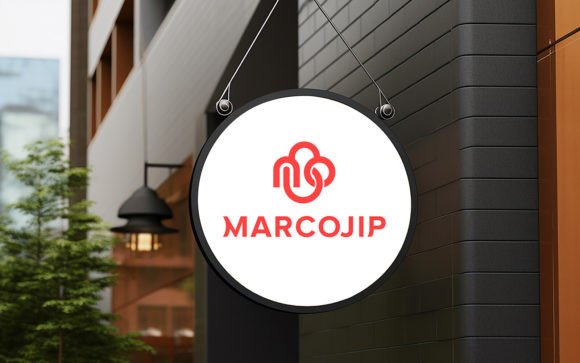
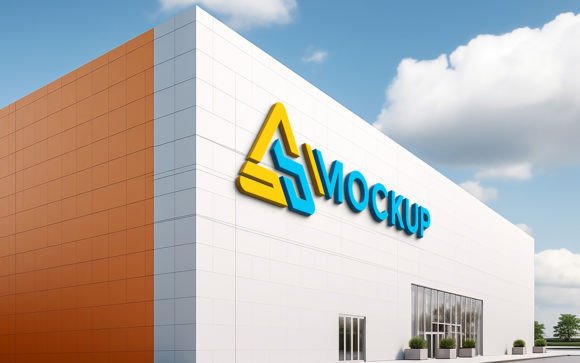
Visualizing a brand in the physical world is often the most challenging part of the design process. Clients and stakeholders frequently struggle to imagine how a flat digital logo will translate onto a three-dimensional surface. This is where a Building Wall Sign Mockup Psd becomes an indispensable asset in a designer’s toolkit. Rather than relying on abstract concepts or low-fidelity sketches, professionals can use high-quality mockups to demonstrate exactly how signage will appear in a real-world context. These tools bridge the gap between digital creation and physical application, providing a level of realism that static images simply cannot achieve.
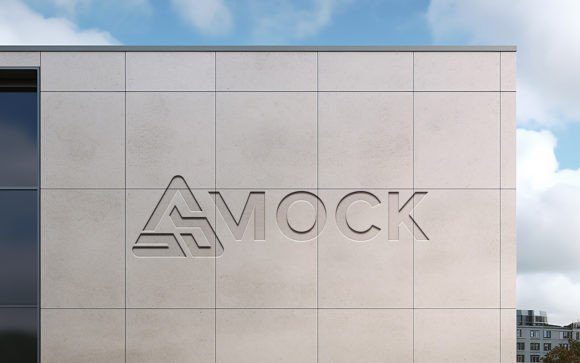
The primary value of this specific resource lies in its ability to simulate authentic environmental conditions. When you place a design onto a building facade, it must interact with light, shadow, and texture. A generic paste-job looks artificial and can undermine confidence in the final product. By utilizing a mockup built with advanced smart object technology, designers ensure that their logos and text inherit the correct lighting angles, perspective distortions, and surface imperfections. This results in a presentation that looks less like a digital composite and more like a photograph of the finished installation.
Understanding the Technical Foundation
At its core, this Building Wall Sign Mockup Psd is designed for efficiency without sacrificing quality. The file structure is optimized for users who need to iterate quickly. The central feature is the smart object layer, which allows for seamless replacement of artwork. Users do not need advanced knowledge of Photoshop’s blending modes or transformation tools. Instead, they simply double-click the smart object layer, paste their design, save, and watch the main document update automatically. This automation handles the complex task of mapping the 2D design onto the 3D surface of the wall.
The technical specifications support professional output standards. With a resolution of 300 DPI, the mockup is suitable for high-resolution displays and print-ready presentations. The layers are fully organized into folders, ensuring that even users who are new to Photoshop can navigate the file without confusion. This organization is critical for maintaining workflow efficiency, especially when working under tight deadlines. The inclusion of both PSD and JPG formats provides flexibility; the PSD allows for full customization, while the JPG serves as a quick reference or preview file.
Key Features and Usability
The usability of this mockup is defined by its "no skill requirement" approach to editing. While professional designers will appreciate the depth of control available, freelancers and small business owners with limited technical expertise can also achieve polished results. The following features highlight why this tool stands out in a crowded market of design assets:
- High-Quality 3D Realism: The base image is rendered with attention to architectural details, ensuring that the wall texture and surrounding environment look authentic.
- Smart Object Replacement: This feature automates the integration of your design, applying necessary warping and perspective adjustments instantly.
- Automatic Shadow and Lighting: One of the most difficult aspects of manual compositing is matching light sources. This mockup automatically generates realistic shadows and highlights based on the original scene lighting.
- Fully Layered and Organized: Every element is separated into logical folders, making it easy to toggle visibility or adjust specific components if needed.
- 100% Editable: Beyond just the logo, users can modify various aspects of the scene to better suit their specific branding needs.
These characteristics make the tool versatile. It is not limited to corporate logos; it can effectively showcase typography, illustrative elements, or complex brand marks. The ability to see how different colors interact with the wall’s material—whether it be concrete, brick, or painted plaster—adds a layer of decision-making support that is invaluable during the client approval phase.
Real-World Applications and Audience Fit
Who benefits most from using a Building Wall Sign Mockup Psd? The answer spans a wide range of creative and business professionals. For graphic designers and branding agencies, this tool is essential for client presentations. It transforms a standard pitch deck into a compelling visual narrative. When a client sees their brand name illuminated on a bustling city street or a quiet suburban storefront, the emotional connection to the design strengthens. This can significantly reduce the number of revision rounds, as the client can visualize the end result clearly.
Entrepreneurs and small business owners also find immense value in these assets. Before committing to the expensive process of fabricating and installing physical signage, they can test multiple design variations digitally. This risk mitigation strategy allows for experimentation with font sizes, color contrasts, and placement without incurring material costs. For marketers and social media managers, high-quality mockups provide engaging content for portfolios, case studies, and promotional materials. A realistic image of a sign performs far better on platforms like Instagram or LinkedIn than a flat vector file.
Educators and students in design programs can use this resource to teach principles of environmental graphic design. It demonstrates how scale, perspective, and materiality affect legibility and aesthetic appeal. By working with realistic constraints, students learn to create designs that are not only visually appealing but also practical for physical production.
Evaluating Quality and Long-Term Value
When assessing the long-term value of a design asset, consistency and reliability are paramount. A well-made mockup should remain relevant across various projects. The neutral yet detailed nature of this building wall scene ensures it does not distract from the design being showcased. The lighting is balanced, avoiding harsh contrasts that might obscure smaller details in a logo. This neutrality makes it a flexible template that can accommodate both minimalist modern brands and intricate traditional emblems.
However, users should be aware of certain limitations inherent to any static mockup. While the smart object technology is robust, it works best with designs that fit within the designated area. Extremely complex patterns or designs that require specific texture mapping beyond simple overlay may require additional manual adjustment. Additionally, because the background is fixed, users cannot change the time of day or weather conditions without external editing skills. Despite these minor constraints, the time saved compared to creating a custom 3D render from scratch is substantial.
The file size and performance are also worth noting. High-resolution PSDs can be resource-intensive, so having a capable computer is recommended for smooth editing. Yet, the trade-off is worth it for the final output quality. The 300 DPI resolution ensures that even when zoomed in for detailed inspection, the edges remain crisp and the textures retain their fidelity.
Practical Recommendations for Best Results
To maximize the effectiveness of this Building Wall Sign Mockup Psd, consider the following best practices. First, ensure your source logo or design is high-resolution. Placing a low-quality raster image into the smart object will result in a pixelated final output, regardless of the mockup’s quality. Vector files are ideal, as they scale infinitely without loss of clarity.
Second, pay attention to contrast. If the wall in the mockup is light-colored, dark logos will stand out best, and vice versa. Use the preview mode to check legibility from a distance. Third, take advantage of the layered structure to make subtle adjustments. If the automatic shadow feels too heavy for your taste, you can lower the opacity of the shadow layer to create a softer, more natural look.
Finally, remember that this tool is part of a broader presentation strategy. Use it alongside other mockups, such as business cards or letterheads, to create a cohesive brand identity package. This holistic approach demonstrates thoroughness and professionalism to clients.
In conclusion, the Building Wall Sign Mockup Psd is a highly functional resource that simplifies the visualization of exterior branding. Its combination of ease of use, realistic rendering, and professional-grade quality makes it a worthwhile addition to any designer’s library. Whether you are a seasoned agency professional or a solo entrepreneur, this tool helps communicate design intent with clarity and impact, ultimately leading to better decision-making and stronger brand presentations.