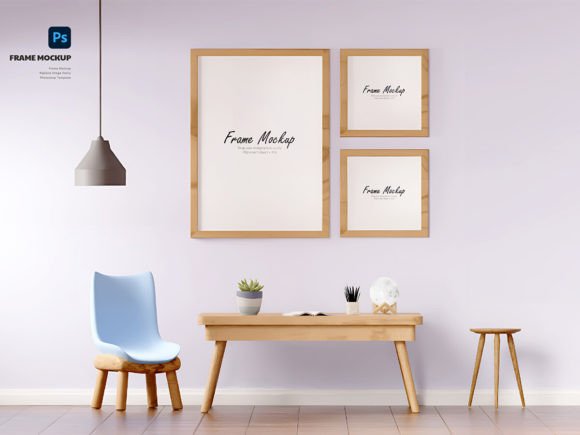
Evaluating the Mockup Frame with Kids Chair 3 Frame for Professional Design Presentation
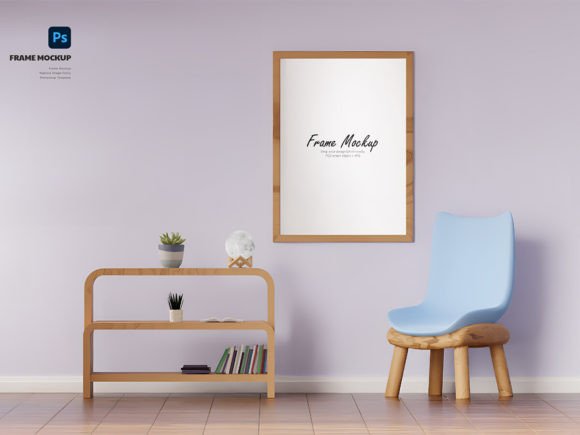
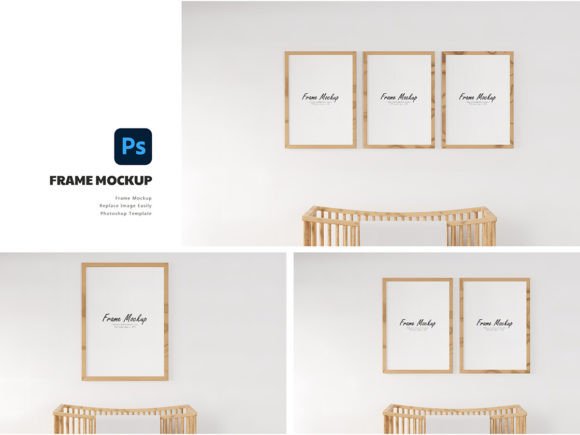
In the competitive landscape of digital design and e-commerce, the ability to present work realistically is often just as important as the quality of the artwork itself. Clients and customers rarely buy a flat JPEG; they buy into a vision of how that design will look in their lives. This is where specialized presentation tools become essential. The Mockup Frame with Kids Chair 3 Frame emerges as a specific resource for designers who need to showcase artwork within a domestic, family-oriented context. Unlike generic wall displays, this asset combines interior decor elements—specifically a child’s chair—with framed art to create a narrative scene.
Understanding whether this specific mockup fits your workflow requires looking beyond the surface appeal. It involves evaluating its technical specifications, such as the PSD Photoshop format and Smart Object functionality, against your project needs. This article explores the distinct features of this tool, compares it to broader categories of presentation resources, and helps you decide if it is the right choice for your next client deliverable or portfolio update.
Distinct Features and Technical Utility
The primary value proposition of the Mockup Frame with Kids Chair 3 Frame lies in its composition and ease of use. At its core, it is a high-resolution digital file designed to simulate a physical environment. The inclusion of a kids' chair is not merely decorative; it sets a specific tonal expectation. It suggests warmth, playfulness, and domesticity, making it ideal for designs targeting parents, educational materials, or children’s illustration portfolios.
From a technical standpoint, the item comes in PSD Photoshop format, which remains the industry standard for layered design work. The most critical feature here is the integration of Smart Objects. For designers unfamiliar with this term, Smart Objects allow you to double-click a layer, paste your own design, and save. The software automatically warps, scales, and applies lighting effects to match the perspective of the frame in the image. This seamless integration ensures that your artwork does not look like a sticker placed on top of a photo but rather like ink on paper behind glass.
Furthermore, the file boasts a resolution of 300 dpi (dots per inch). This is a crucial specification for professionals. While 72 dpi is sufficient for web-only viewing, 300 dpi ensures that if a client wishes to print the mockup for a physical pitch deck or a high-quality brochure, the image will remain crisp and free of pixelation. This versatility adds long-term value to the asset, allowing it to serve both digital marketing campaigns and printed collateral.
Comparing Specialized Scenes vs. Generic Templates
When selecting presentation resources, designers often face a choice between highly specific scenes and generic, blank-slate templates. The Mockup Frame with Kids Chair 3 Frame falls firmly into the former category. To make an informed decision, it is helpful to compare this approach with other common alternatives.
Generic Wall Mockups: These typically feature a blank wall with a single frame. They are versatile and can be used for any type of art, from corporate logos to abstract paintings. However, they lack context. A generic mockup tells the viewer what the art looks like, but not where it belongs. In contrast, the kids' chair mockup provides immediate contextual cues. It answers the question, "Who is this for?" before the viewer even reads the description. If you are selling nursery decor or children's books, the specialized mockup reduces cognitive load for the buyer.
3D Rendering Software: Some professionals prefer to build their own scenes using 3D modeling tools like Blender or Cinema 4D. This offers ultimate control over lighting, angle, and texture. However, the time investment is significant. Creating a photorealistic room with proper lighting and material physics can take hours or days. The Mockup Frame with Kids Chair 3 Frame offers a "good enough" realism that saves time and effort. For freelancers working on tight deadlines, the trade-off of slight customization limits for speed is often worth it.
Flat Lay Photography: Another alternative is photographing physical prints on a desk or floor. While authentic, this method requires physical space, printing costs, and photography skills. Lighting inconsistencies and shadows can be difficult to manage. Digital mockups provide consistent, controlled lighting that highlights the design without distraction.
Best-Fit Situations and Use Cases
Identifying when to use this specific resource is key to maximizing its ROI. The Mockup Frame with Kids Chair 3 Frame is not a one-size-fits-all solution. It excels in specific niches where the target audience values emotional connection and lifestyle alignment.
- Children’s Book Illustrators: Authors and illustrators can place their cover art or interior spreads in the frame to show how the book might look in a child’s reading nook. This helps publishers and parents visualize the product in a real-world setting.
- Nursery Decor Brands: Sellers of printable wall art for nurseries can use this mockup to demonstrate scale and style. The presence of the chair helps buyers gauge the size of the frame relative to furniture.
- Educational Material Designers: Creators of homeschooling resources, alphabet posters, or motivational charts for kids can use this scene to market their digital downloads on platforms like Etsy or Teachers Pay Teachers.
- Family-Oriented Branding: Even if the product isn't strictly for children, brands that want to project a family-friendly, approachable image can use this softer, domestic aesthetic to humanize their corporate identity.
In these scenarios, the mockup does more than display the design; it sells the lifestyle associated with the design. It bridges the gap between a digital file and a tangible home environment.
Limitations and Decision Factors
While the Mockup Frame with Kids Chair 3 Frame offers significant advantages, it is important to acknowledge its limitations. No tool is perfect for every project, and recognizing these boundaries prevents misuse.
The most obvious limitation is thematic rigidity. If you are designing a minimalist corporate logo, a heavy metal album cover, or a luxury real estate brochure, a kids' chair will clash with the brand message. Using a mismatched mockup can confuse potential clients and dilute the perceived professionalism of the work. In such cases, a neutral, architectural, or office-based mockup would be a more appropriate alternative.
Another factor is customization depth. While Smart Objects allow for easy design replacement, they do not allow you to move the chair, change the wall color, or alter the lighting direction significantly. If your brand guidelines require specific hex codes for background walls or precise shadow angles, a pre-made PSD may feel restrictive. You are buying convenience, not total creative control.
Additionally, reliance on stock mockups can lead to visual fatigue if overused. If many designers in your niche use the same popular assets, your portfolio may start to look similar to others. It is advisable to use this tool as part of a broader strategy, mixing it with custom photography or other unique presentation styles to maintain a distinct visual identity.
Making the Final Choice
Deciding whether to incorporate the Mockup Frame with Kids Chair 3 Frame into your toolkit depends on your current project pipeline and target audience. Ask yourself three questions:
- Is my target audience parents or families? If yes, the contextual relevance of this mockup adds significant marketing value.
- Do I need to produce high-volume visuals quickly? If you are launching multiple products or updating an online store frequently, the time saved by Smart Objects is invaluable.
- Does the aesthetic align with my brand? Ensure that the warm, playful vibe of the chair complements rather than contradicts your design style.
If the answer to these questions is positive, this asset is likely a strong addition to your resources. It offers a professional, realistic 3D view that enhances the perceived value of your work. However, if your work is strictly corporate, industrial, or avant-garde, you may find better ROI in more neutral or customizable presentation tools.
Ultimately, the goal of any mockup is to facilitate communication between the designer and the client. The Mockup Frame with Kids Chair 3 Frame succeeds when it helps the viewer imagine the design in their own home. By understanding its strengths in contextual storytelling and its limitations in flexibility, you can use it strategically to elevate your presentations without compromising your unique creative voice.